Advanced computational solutions for molecular design, biomarker discovery, and target analysis
Molecular Design & Optimization
Identify, design and optimize bioactive molecules using advanced modeling, simulations, and machine-learning approaches
3D structure modelling
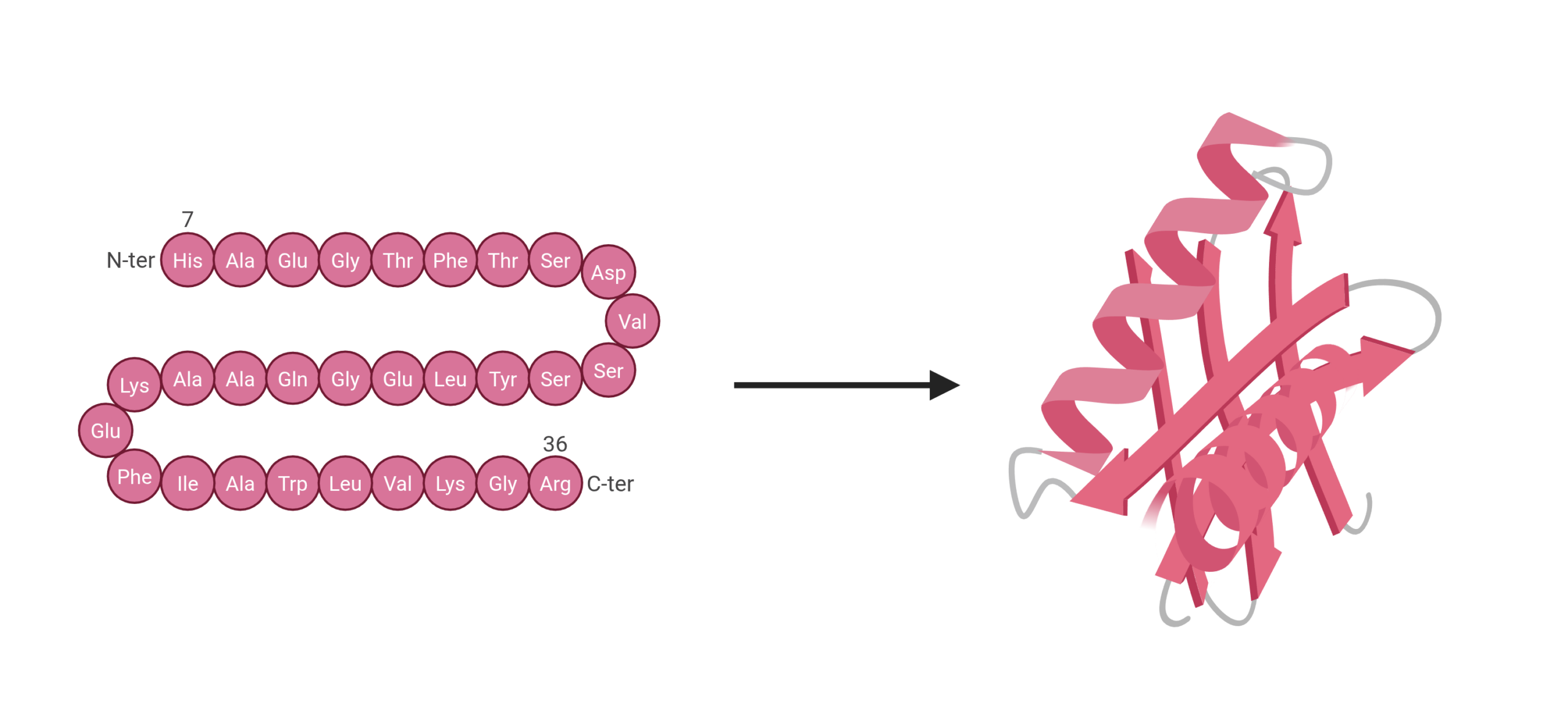
Our company offers a service to predict proteins’ three-dimensional structure, through homology modeling, or deep learning generation, based on amino acid sequences. This service supports mutagenesis studies, structure-function analysis, and drug discovery applications.
Molecular docking
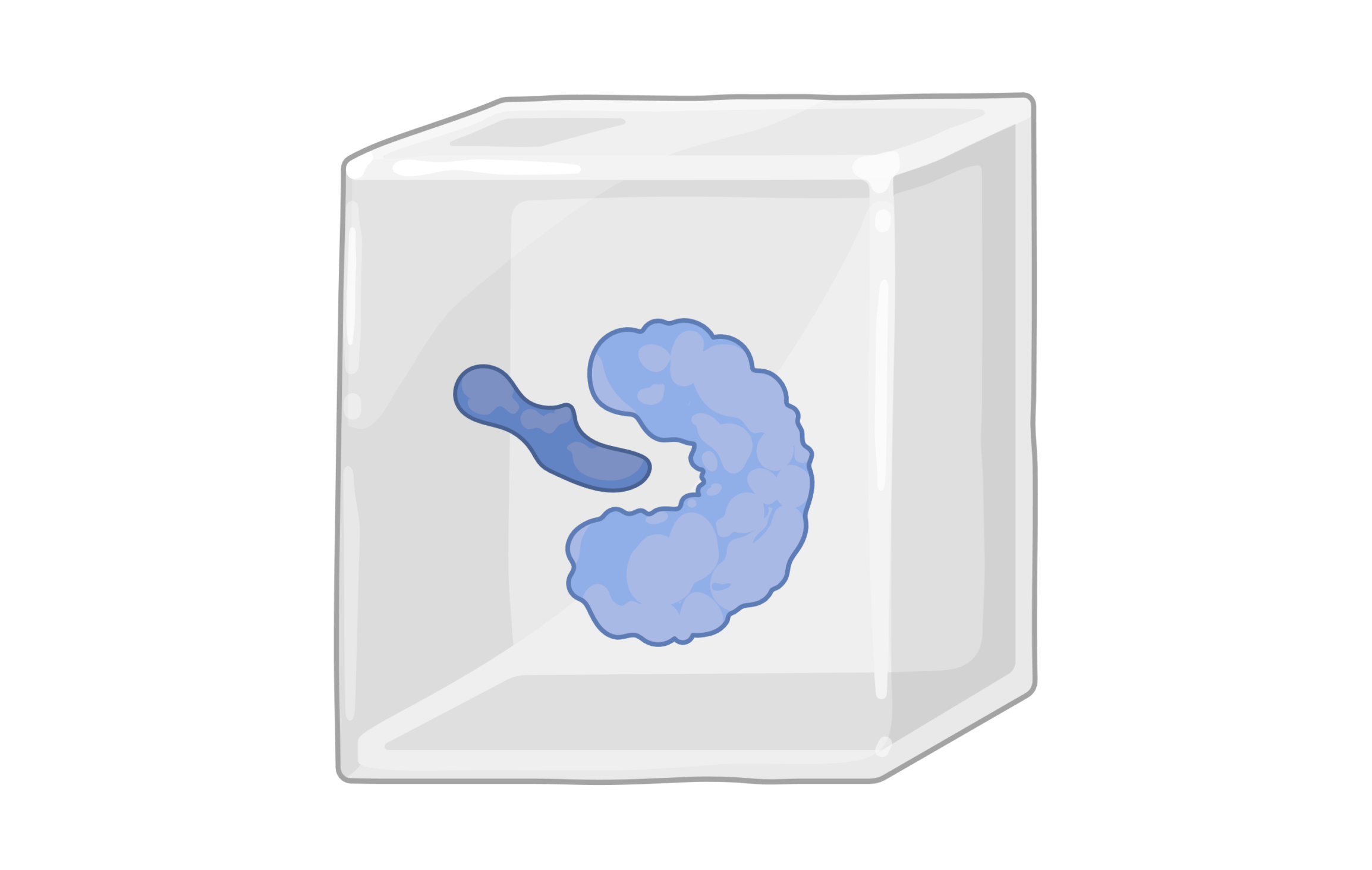
We can study the interactions formed between two structures (ligand and target) through the use of molecular docking, providing relevant information about the possible mechanism of action of candidate compounds for a specific target.
Molecular dynamics simulations
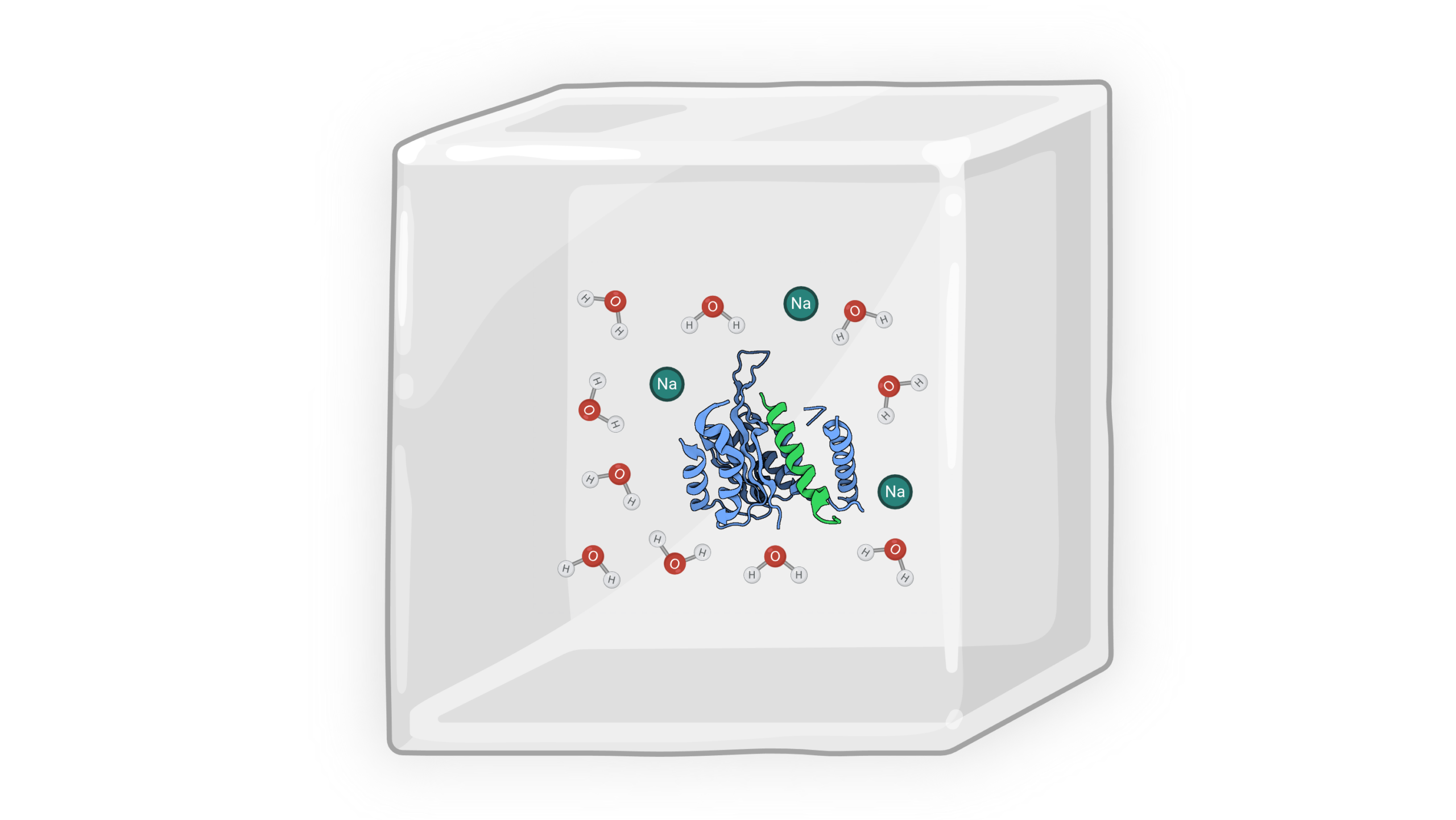
At MolDrug, we provide molecular dynamics simulation services, supporting lead discovery processes and structure refinement. This service includes molecular dynamics simulations of biomolecules to study their behavior along time, assessing their conformational changes. We also study drug-target recognition and binding stability, based on the interactions formed between target molecules and their ligands.
Bioactivity prediction
We offer QSAR modeling services to predict key properties of therapeutic candidates efficiently. We can predict bioactivity from chemical compounds individually, or carry out a virtual screening of different datasets, providing both pre-established models and custom-built models optimized for your compounds, strictly following OECD principles for regulatory compliance.
Compound optimization
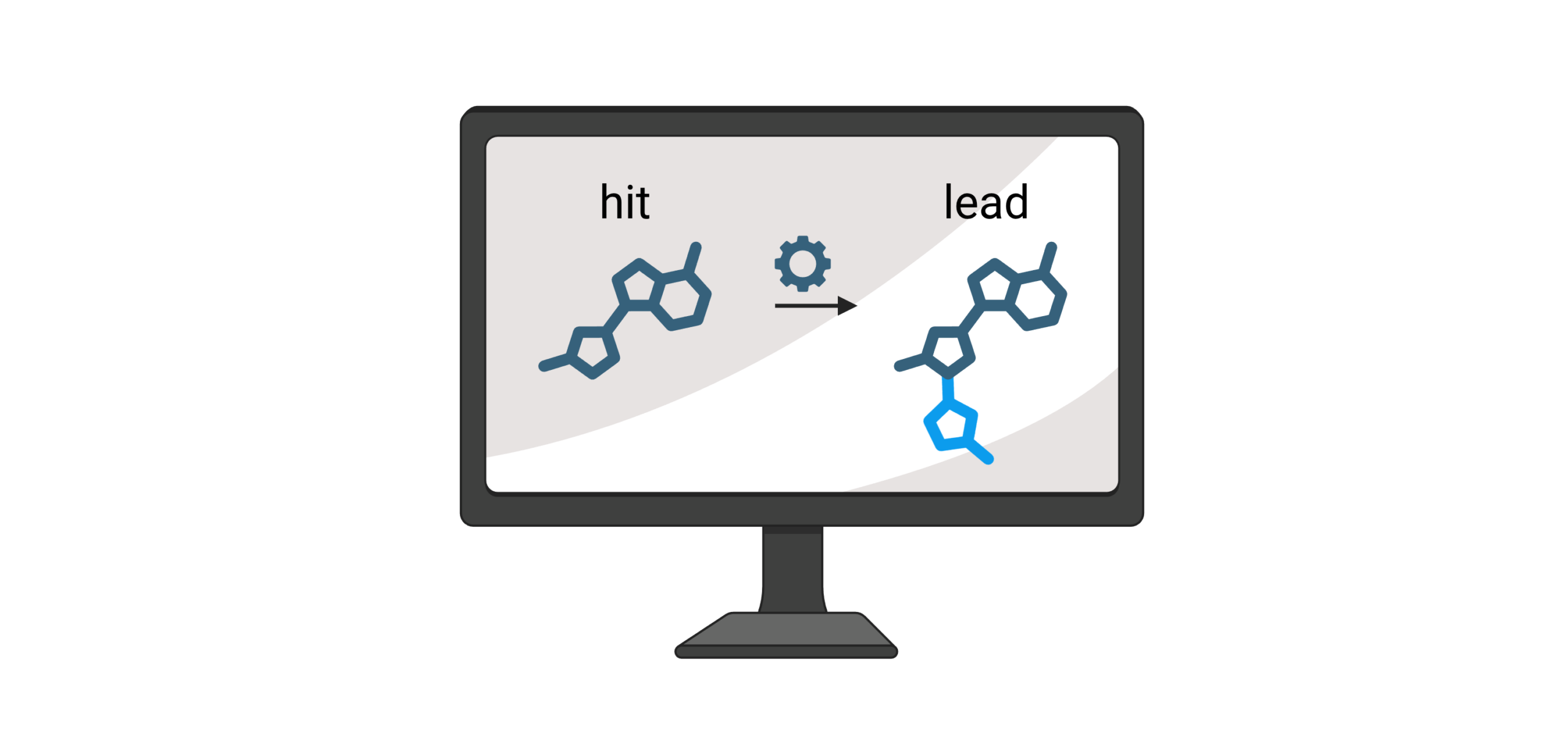
We can develop new compound libraries through combinatorial chemistry and scaffold hopping. This way, several new candidate compounds can be evaluated for a desired target. In addition, we also offer compound optimization through the prediction of ADMET properties using the QSAR technique, and test affinity and selectivity of the set of compounds with the target through molecular docking.
Characterization of organic compounds
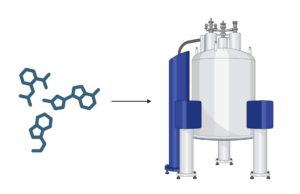
At MolDrug, we offer Nuclear Magnetic Resonance (NMR) spectroscopy analysis for the characterization of small organic molecules, impurities and degradation products in bulk drugs and their pharmaceutical formulations, as well as the determination of the amount of these species in the sample. Furthermore, we also offer QSAR tools that can be applied to determine the toxicity of the identified impurities.
Biomarker Discovery
Identify and validate biomarkers from transcriptomic, proteomic, and metabolomic datasets for diagnosis and monitoring
Differential gene expression analysis
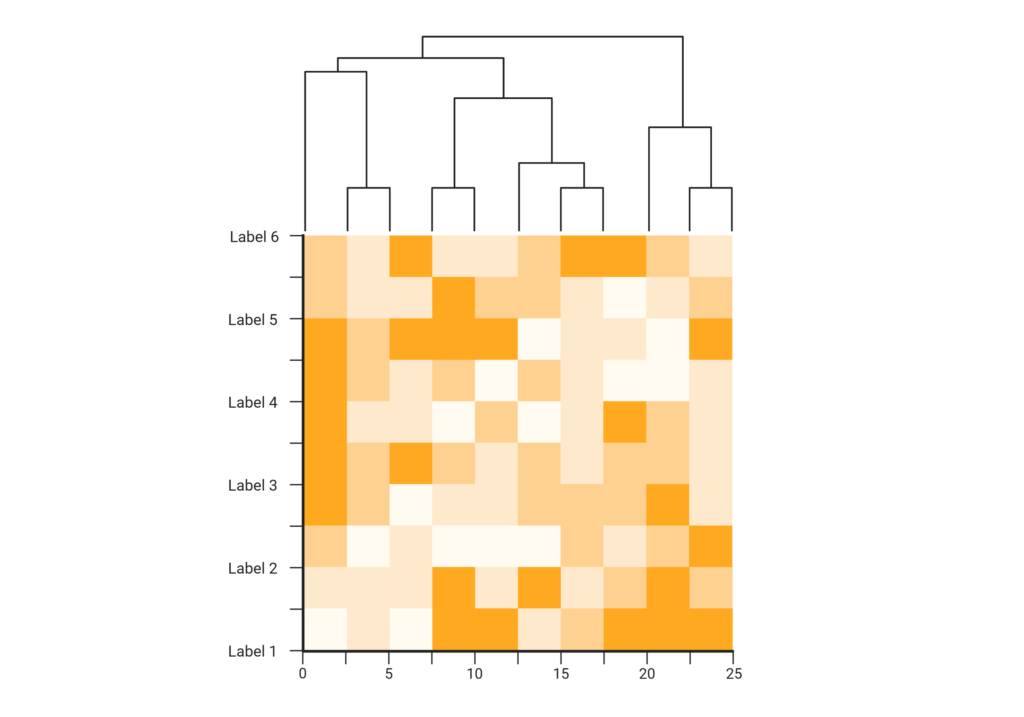
We analyze transcriptomic data to identify significant changes in gene expression between experimental groups, ensuring optimal statistical testing and clear visualization of results. Our services include statistical testing, experimental design, machine learning for predictive modeling, biomarker validation, and pathway identification. Input data can come from human samples, in vivo, or in vitro models.
Metabolomics profiling
We offer services in metabolomics profiling, including experimental design, sample preparation, NMR measurement, data processing, statistical analysis, predictive modeling, and pathway analysis. These services help extract and validate biomarkers, identify related pathways, and optimize result visualization.
Omics integration
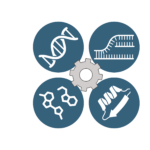
We integrate transcriptomics, proteomics, metabolomics, and other omics layers to generate a unified view of biological systems. Our workflows include multilevel data fusion, statistical and multivariate analysis, network modeling, and cross-platform biomarker validation.
Target Identification & Pathway Analysis
Discover biological targets and analyze molecular pathways to guide the development of new therapeutics
Advanced pathway analysis
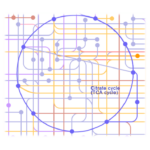
Pathway analysis enables the identification of affected metabolic and signaling pathways using high-throughput biological data derived from different phenotypes. Our services include the identification of significantly altered pathways based on differential gene expression analyses or metabolomics profiling, resulting in a list of key proteins and enzymes that can be further investigated as potential target molecules. In addition, pathway analysis can be applied in clinical and preclinical studies of novel treatments to elucidate a drug’s mechanism of action, which may be directly related to its efficacy and potential side effects.
PPI network construction
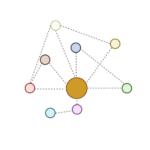
Protein-protein interaction (PPI) networks are graphical representations of the physical contacts between the proteins in a cell, called the protein interactome. The regulation of protein function through protein-protein interactions is the basis of most biological activity in living cells, and more than 650000 types of specific protein-protein interactions are estimated to take place in each human cell. In disease, these biological functions may be altered. Thus, studying the interactions among proteins involved in a disease can help unravel the underlying mechanisms and enable a better treatment design. At MolDrug, we work on generating protein interaction networks that allow us to design better drug candidates and identify potential therapeutic targets.
Microbiome-related ligand–target discovery
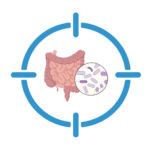
When studying the interaction between the microbiome and the human host, it is essential to identify bioactive metabolites such as organic acids, short chain fatty acids, or peptides generated by these microorganisms. Once identified, the interaction between these molecules and potential human targets can be simulated and thus design potential modulators. Modulators allow us to potentiate the beneficial state or treat a disease resulting from an unbalanced microbiota. At MolDrug, we can apply omics techniques to identify those molecules and then employ molecular modelling tools such as molecular docking or dynamics to simulate the interaction between microbiota-related molecules and human targets.